Claim the Space: Inside the Underground Network Turning Forgotten Buildings Into Maker Havens
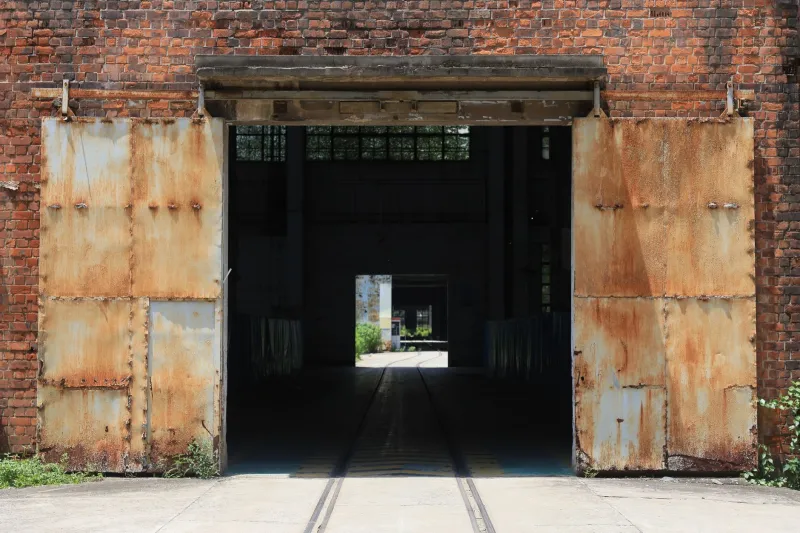
The building had been empty for eleven years. A former auto parts warehouse on the industrial fringe of Kansas City, Missouri — broken windows, a loading dock that hadn't seen a truck since the Obama administration, and a floor plan so cavernous it echoed when you talked. The city had plans for it. Developers had been circling. But for a stretch of about eight months, it belonged to the Rust Collective.
Every Saturday, fifty-some-odd makers showed up with tools, materials, and folding tables. Woodworkers. Leather workers. A woman who built custom synthesizers from salvaged electronics. A retired teacher who made sculptural furniture out of reclaimed gymnasium bleachers. They ran workshops, traded skills, shared equipment, and built something that no gallery application or arts grant had made possible — because none of that was involved.
"We didn't ask anyone," says collective co-organizer Jerome Whitfield, who works as an electrician by day. "We found the space, we figured out the situation, and we showed up. That's basically the whole origin story."
The Institutional Problem
Here's the thing about traditional creative infrastructure in American cities: it was never really designed for makers. Gallery spaces cater to fine artists who can navigate the application process and afford the commission structure. Formal makerspaces — the ones with membership fees and liability waivers and waiting lists — are great if you've got the money and the schedule flexibility. Arts districts, by the time they're officially designated as arts districts, have rents that price out the exact people who built the creative culture there in the first place.
The result is a massive gap. There are hundreds of thousands of skilled, serious, passionate makers in this country who have no dedicated space to work, collaborate, or share what they know. They're doing it in garages and spare bedrooms and rented storage units, isolated from each other by logistics and geography.
The guerrilla workshop movement — loose, informal, deliberately underground — exists to fill that gap by any means necessary.
How It Actually Works
The mechanics vary wildly depending on the city, the organizers, and the specific space involved. Some collectives operate with the quiet permission of a sympathetic property owner who'd rather see a building used than sit empty. Others operate in a grayer zone — not exactly sanctioned, not exactly not. A few run entirely aboveboard as informal pop-ups in public parks, parking lots, or community centers willing to look the other way on the occasional power tool.
In Detroit, a group called Open Hands Workshop has been running monthly pop-up craft sessions in a series of vacant lots on the east side for three years. They bring a generator, a canopy, and whatever equipment members can haul in their trucks. Attendance runs anywhere from twenty people to over a hundred depending on the weather and how aggressively they've posted flyers.
"We don't have a lease. We don't have a 501(c)(3). We have a group chat and a trailer," says organizer Tamika Osei. "That's on purpose. The less formal infrastructure you have, the harder it is for someone to shut you down."
In Philadelphia, the approach is different. A collective called Whetstone operates out of a former textile mill in Kensington that a local developer has been sitting on for years, waiting for the market to move. The building's owner — a maker himself, as it turns out — lets them use two floors rent-free in exchange for basic maintenance and the understanding that they'll clear out when construction eventually starts. It's been three years. Construction hasn't started.
"We treat it like we own it, because in every way that actually matters, we do right now," says Whetstone member and weaver Carlos Ferreira. "We've put thousands of hours of work into that space. We've built something real there."
What These Spaces Actually Do
The easy answer is that they give makers a place to work. But that's underselling it considerably.
Guerrilla makerspaces function as skill-sharing networks, community anchors, and creative incubators all at once. In spaces like these, a woodworker who's been doing joinery for thirty years ends up in conversation with a twenty-two-year-old who's never touched a chisel but has ideas about form that the veteran finds genuinely interesting. Knowledge moves in all directions. Hierarchies flatten.
They also serve a function that no formal institution really replicates: they make creative practice feel accessible to people who've been implicitly told it isn't for them. No application required. No portfolio review. No membership fee that quietly filters out anyone who isn't financially comfortable.
"The gallery world has a whole language designed to make people feel like they need to earn their way in," says Jerome Whitfield of the Rust Collective. "We wanted the opposite of that. You show up, you make something, you belong."
Finding Your People (and Your Space)
If this sounds like something you want in your life — either as a participant or an organizer — here's the honest practical breakdown.
Finding existing collectives: Start with your city's mutual aid networks, local Reddit communities, and Facebook groups for makers and crafters. Look for zine fairs, craft swaps, and pop-up markets — the people running those often have connections to more underground creative infrastructure. Instagram hashtags like #makercollective, #popupstudio, and your city name plus "makers" can surface a lot.
Starting your own: You need a lot less than you think. A public park, a willing friend's driveway, a community center with weekend availability — any of these can host a first gathering. Start with a skill swap: everyone brings a skill to teach and something to learn. Keep the barrier to entry at zero. Let the community shape what it becomes.
The space question: If you're hunting for a longer-term location, look at commercial real estate listings for properties that have been sitting vacant for over a year. Property owners with carrying costs and no tenants are often more flexible than you'd expect, especially if you can offer basic maintenance, security presence, or a nominal amount. A conversation costs nothing.
Legal reality check: Know your local ordinances around assembly, noise, and commercial activity in residential or industrial zones. Operating quietly and responsibly is usually more effective than trying to get formal permission for everything. That said, having one person in your group who understands basic liability and can make sensible decisions matters.
The Bigger Picture
What's happening in these spaces isn't just about crafting. It's about who gets to decide what a creative community looks like and where it's allowed to exist. It's about rejecting the idea that art and making are things that happen inside institutions, with institutional permission, on institutional schedules.
The people building these underground workshops aren't waiting for a grant or a gallery or a city arts council to validate what they're doing. They're finding the empty spaces — literal and figurative — and filling them with something worth keeping.
That's the whole outlaw spirit, right there. Not destruction. Occupation. Show up, make something real, and refuse to leave until you have to.